
Introduction
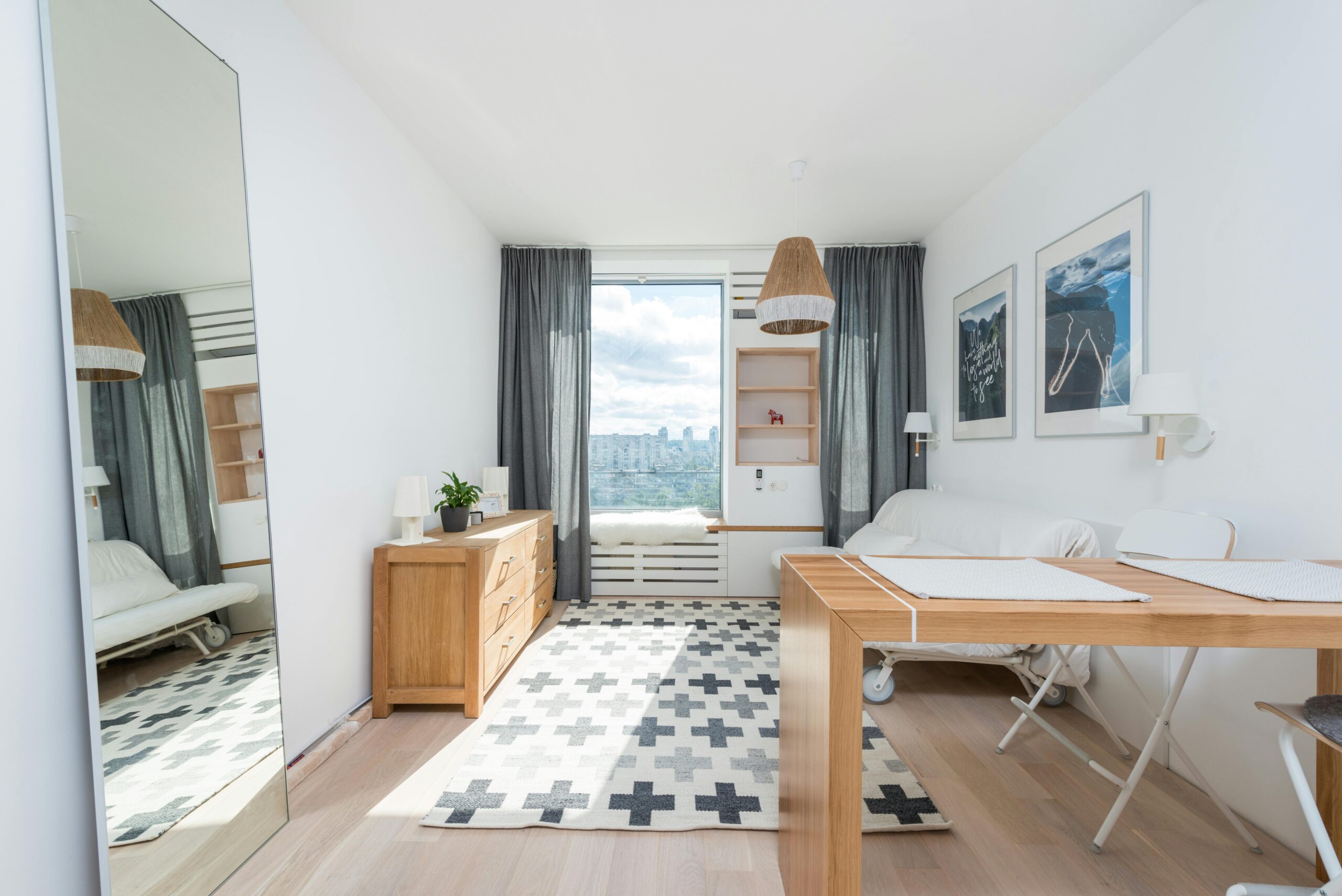
A small living room does not have to feel cramped.
In many homes and apartments, the issue is not the square footage itself. It is the way the room is arranged, lit, decorated, and visually divided. Heavy furniture, poor lighting, awkward rug sizes, dark corners, and too many small items can make even a decent-sized room feel tighter than it really is.
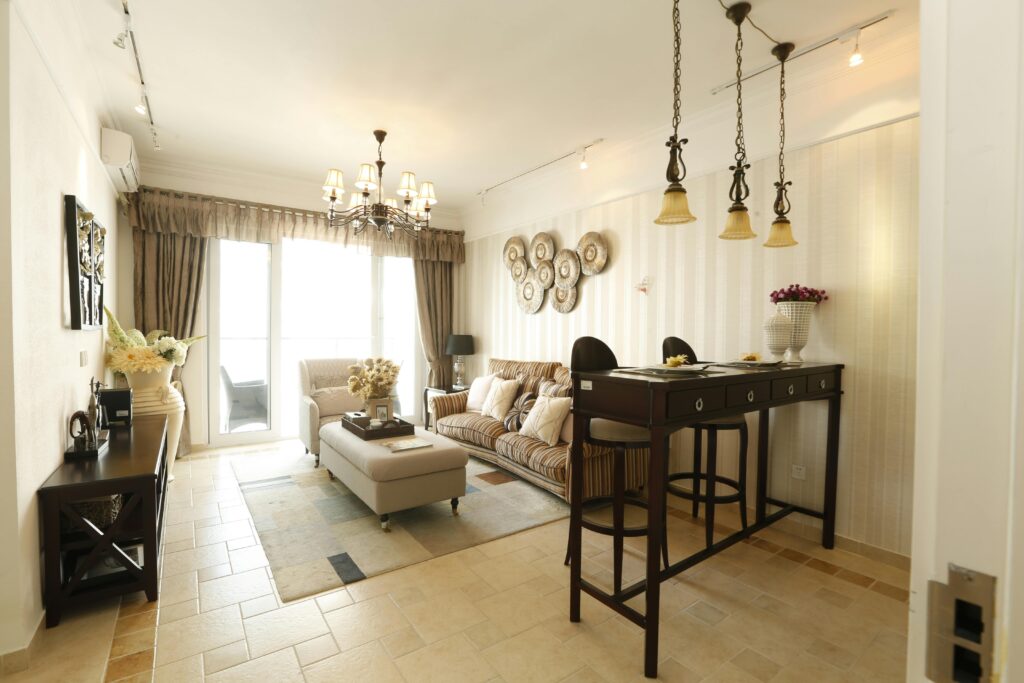
The good news is that making a small living room look bigger usually does not require knocking down walls or spending thousands of dollars on a renovation. In most cases, the biggest improvement comes from a few strategic changes: better layout, smarter scale, lighter visual weight, and more consistent styling.
This guide covers the most effective ways to make a small living room look bigger, including what works, what to avoid, and which upgrades deliver the strongest visual payoff.
Table of Contents
- Why Small Living Rooms Feel Smaller Than They Are
- 15 Ways to Make a Small Living Room Look Bigger
- The Best Colors for a Small Living Room
- The Best Furniture Choices for Small Spaces
- Common Mistakes That Make a Small Living Room Feel Smaller
- Budget-Friendly Upgrades That Help Immediately
- Frequently Asked Questions
- Final Thoughts
Why Small Living Rooms Feel Smaller Than They Are
A living room usually feels small for one of three reasons:
- The furniture is too bulky or poorly arranged
- The room lacks enough light and visual continuity
- There is too much contrast, clutter, or broken-up styling
In other words, many small living rooms are not actually “too small.” They are just visually crowded.
That distinction matters, because it means the solution is often about perception as much as square footage.
A room feels bigger when the eye can move through it easily. It feels smaller when every surface, corner, and wall competes for attention.
15 Ways to Make a Small Living Room Look Bigger
1. Choose the Right Rug Size
One of the most common mistakes in small living rooms is using a rug that is too small.
A tiny rug can make the room feel chopped up and undersized. A properly sized rug helps unify the furniture and makes the whole layout feel more intentional.
What works best
In most small living rooms, the front legs of the sofa and chairs should sit on the rug at minimum. If the rug floats in the center with nothing touching it, it usually makes the room feel smaller.
Why it helps
A larger rug creates visual continuity, which helps the room feel broader rather than broken into disconnected pieces.
2. Pull Furniture Slightly Away From the Walls
It seems logical to push every piece of furniture against the wall in a small room. In practice, that often makes the layout feel stiff and cramped.
Leaving a little breathing room behind the sofa or chairs can create a more natural sense of depth.
Why it works
Even a few inches of visible space can make the room feel less compressed and more intentionally arranged.
Important note
This does not mean floating everything in the middle of the room. It means avoiding the reflex to press every item flat against the perimeter.
3. Use Light, Soft, or Mid-Tone Wall Colors
You do not have to paint everything stark white to make a room feel bigger. In fact, harsh white can sometimes make a room feel flat.
What usually works better is a light or soft tone with some warmth or subtle depth.
Good options
- Soft off-white
- Warm beige
- Light greige
- Pale taupe
- Muted sage
- Dusty blue-gray
Why it helps
Lighter tones reflect more light and reduce visual heaviness, especially when used consistently across walls, trim, and large furnishings.
4. Let in as Much Natural Light as Possible
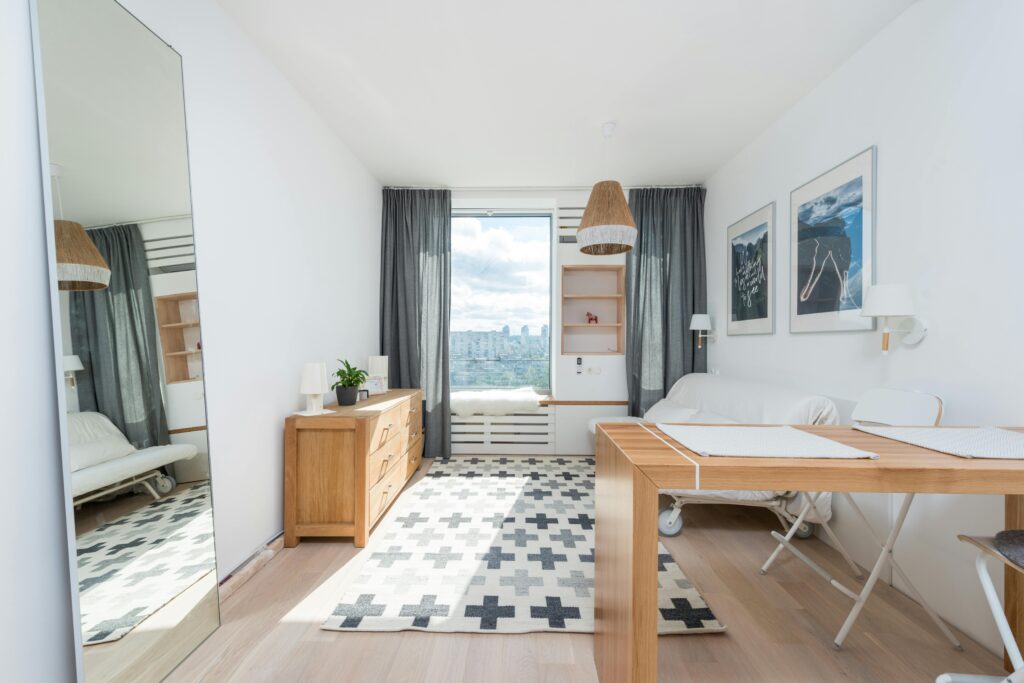
Natural light is one of the fastest ways to make a small living room feel more open.
Heavy curtains, dark blinds, or furniture blocking windows can make the room feel closed in.
What helps
- Use light-filtering curtains instead of blackout panels for daytime spaces
- Hang curtains higher and wider than the window frame
- Keep the area around windows visually light
- Avoid putting tall bulky furniture directly in front of windows
Why it works
More visible light makes edges feel softer and expands the room visually.
5. Hang Curtains Higher Than the Window
This is a simple change with a big payoff.
If curtain rods are mounted too low, they visually shorten the wall. Hanging curtains closer to the ceiling creates the impression of taller walls and larger proportions.
Best practice
Mount the rod several inches above the window frame and extend it beyond both sides of the window when possible.
Why it helps
The eye reads height as spaciousness. More vertical emphasis makes the whole room feel larger.
6. Use a Sofa With Visible Legs
Bulky furniture that sits heavily on the floor can make a small room feel crowded.
A sofa with exposed legs allows more of the floor to remain visible, which makes the room feel lighter and more open.
Best choices
- Sofas with slim arms
- Raised-leg designs
- Apartment-size sectionals
- Low-profile silhouettes
Why it works
When you can see more floor beneath furniture, the room feels less packed and visually denser.
7. Reduce Visual Clutter on Surfaces
Too many small decorative items make a room feel busy.
A coffee table with candles, remotes, books, trays, coasters, plants, and decorative objects all piled together may seem styled, but in a small room it often creates noise.
What works better
Use fewer, larger items instead of many small ones.
For example:
- one tray
- one book stack
- one plant
- one sculptural object
Why it helps
The eye rests more easily when surfaces are edited. That sense of calm makes the room feel larger.
8. Use Mirrors Strategically
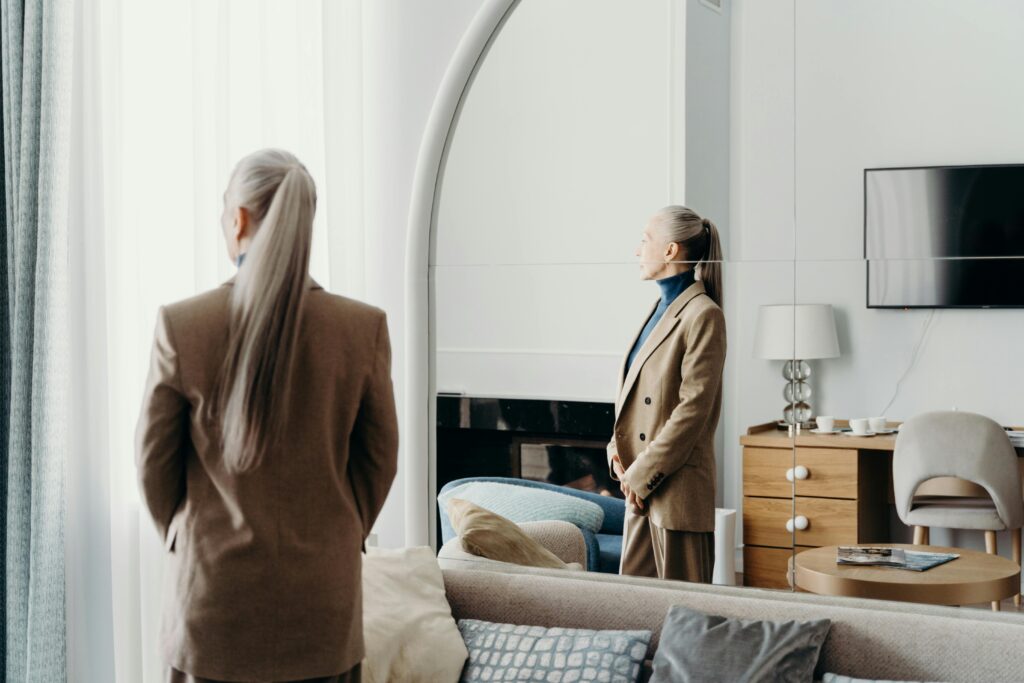
A mirror can absolutely help a small living room look bigger, but placement matters.
A mirror works best when it reflects light, a window, or an open part of the room. It works less well when it reflects clutter or a dark corner.
Best placements
- Across from a window
- Above a console table
- On a wall that needs more brightness
- Behind a lamp or near a light source
Why it helps
Mirrors create depth, bounce light, and visually extend the room.
9. Keep Furniture Scale Consistent
A small room filled with oversized pieces feels crowded. But a room filled with furniture that is too tiny can feel awkward and under-designed.
The goal is not miniature furniture. The goal is appropriately scaled furniture.
Better choices
- one properly sized sofa instead of several random seats
- a narrower coffee table
- compact accent chairs
- fewer but more functional pieces
Why it works
Good scale helps the room feel balanced rather than overfilled or pieced together.
10. Choose a Cohesive Color Palette
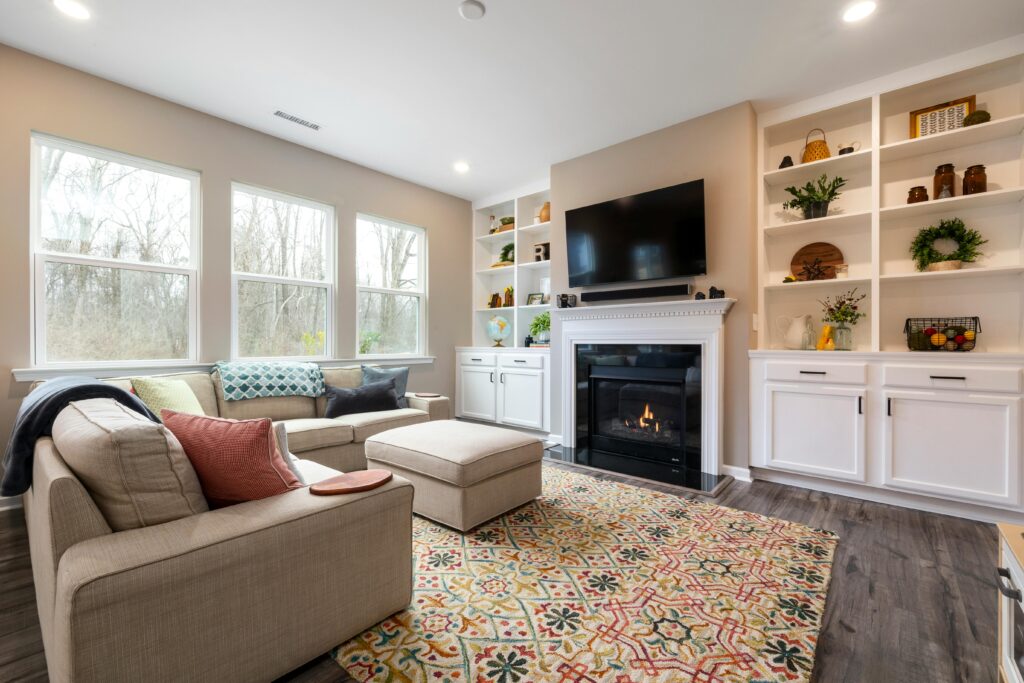
Too many contrasting colors can make a small room feel visually chopped up.
A more consistent palette creates flow, which makes the space feel calmer and larger.
Good approach
Stick to:
- one main neutral
- one secondary tone
- one or two accent colors
For example:
- warm white + taupe + black accents
- soft greige + olive + brass
- light beige + muted blue + natural wood
Why it helps
A cohesive palette reduces visual fragmentation and makes the room feel more unified.
11. Use Multi-Functional Furniture
In a small living room, every piece should earn its place.
Furniture that provides storage or serves more than one function helps reduce clutter and free up space.
Good examples
- storage ottoman
- nesting side tables
- coffee table with hidden storage
- slim console behind sofa
- media unit with closed storage
Why it works
When storage is built into the room, fewer loose items remain visible, and the room feels cleaner and more spacious.
12. Keep Walkways Clear
A room can feel small simply because it is hard to move through.
If you have to squeeze past a coffee table, angle around a chair, or step around baskets and decor, the room instantly feels tighter.
What helps
- leave clear walking space between major furniture pieces
- avoid oversized coffee tables
- do not block natural entry paths
- remove anything that interrupts flow unnecessarily
Why it matters
A room feels bigger when movement through it feels easy.
13. Use Fewer, Better Wall Decorations
Small living rooms often suffer from over-decorating.
Too many frames, tiny art pieces, or scattered wall objects can make the walls feel busy and crowded.
Better strategy
Use:
- one larger artwork
- one clean gallery grouping
- one statement mirror
- one shelf styled simply
Why it helps
Larger, simpler wall treatments make the room feel more considered and less cluttered.
14. Layer Lighting Instead of Relying on One Ceiling Light
A single overhead light rarely makes a room feel warm or spacious.
Layered lighting helps the room feel deeper and more dimensional.
Good lighting mix
- floor lamp
- table lamp
- wall sconce or plug-in sconce
- soft overhead lighting if available
Why it works
When light comes from multiple points, the room feels more balanced and open, especially in the evening.
15. Edit the Room Ruthlessly
Sometimes the best way to make a small living room look bigger is simple: remove things.
Not every corner needs a basket, stool, plant, lamp, and side table. Not every wall needs something on it. Not every surface needs styling.
Ask these questions
- Do I use this item regularly?
- Is it helping the room function better?
- Is it visually improving the space?
- Would the room feel calmer without it?
Why it matters
Space itself is part of the design. Empty space gives the eye room to breathe.
The Best Colors for a Small Living Room
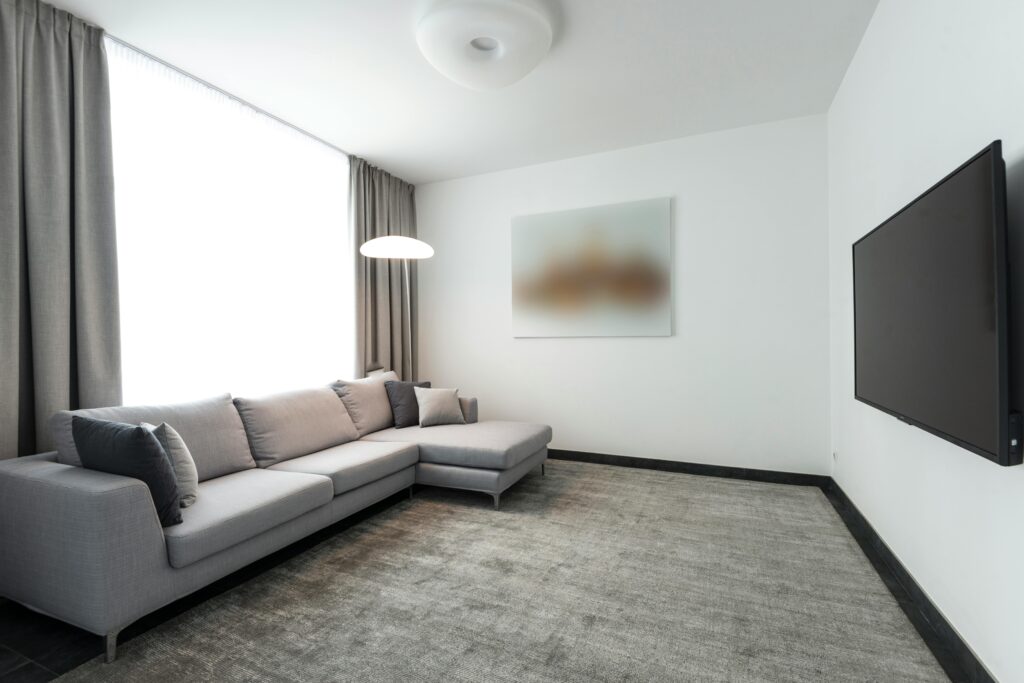
The best colors are usually the ones that create softness, continuity, and light without feeling cold.
Strong options
- warm white
- creamy ivory
- pale greige
- soft mushroom
- light taupe
- muted sage
- dusty blue-gray
Colors to be careful with
- very bright white if the room lacks warmth
- overly dark colors if the room has little natural light
- high-contrast palettes that break up the space visually
That said, dark colors are not always wrong. A small living room can absolutely look beautiful in a deeper tone if the lighting, furniture, and styling support it. But lighter and softer tones are usually the safer choice if your main goal is to make the room feel bigger.
The Best Furniture Choices for Small Spaces
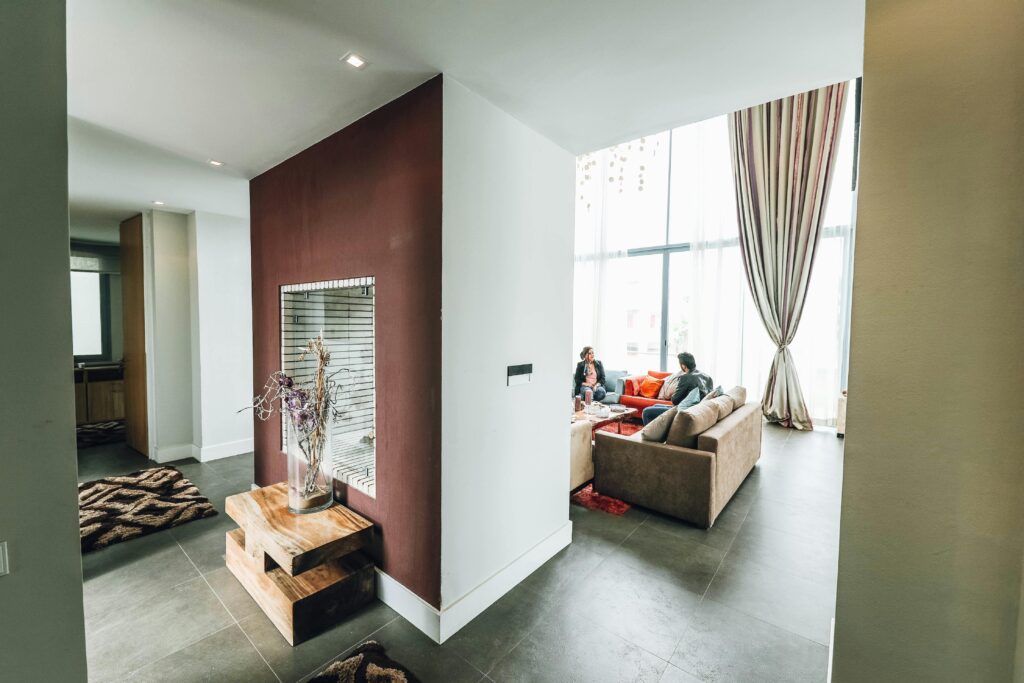
When choosing furniture for a small living room, prioritize:
- visible legs
- slimmer arms
- lighter visual weight
- closed storage when possible
- fewer but better-sized pieces
- furniture that supports good traffic flow
Usually helpful
- apartment-size sofa
- armless or narrow-arm accent chair
- round coffee table in tight layouts
- glass or light-wood side table
- storage ottoman
- narrow media console
Usually unhelpful
- bulky recliners
- oversized sectionals in tight rooms
- multiple tiny accent tables
- furniture with very heavy bases
- too many separate seating pieces
Common Mistakes That Make a Small Living Room Feel Smaller
Using a rug that is too small
This is one of the biggest visual mistakes.
Blocking windows
Natural light is too valuable to lose.
Choosing furniture that is too bulky
Heavy pieces shrink the room visually.
Overstyling every surface
More decor does not equal better design.
Using too many contrasting colors
The room feels fragmented instead of cohesive.
Ignoring vertical space
Curtains, art, and shelving can all help draw the eye upward.
Filling every corner
A room needs negative space to feel open.
Budget-Friendly Upgrades That Help Immediately
You do not need a full redesign budget to improve a small living room.
High-impact low-cost changes
- replace dark curtains with lighter ones
- hang curtains higher
- swap a bulky coffee table for a smaller one
- add one large mirror in the right place
- repaint walls in a lighter, softer tone
- reduce decor on shelves and tables
- replace harsh lighting with layered lamps
- upgrade to better storage baskets or closed storage pieces
In many living rooms, a few thoughtful edits do more than a large shopping haul.
Frequently Asked Questions
What color makes a small living room look bigger?
Light and soft tones usually help most. Warm whites, pale neutrals, light greige, and muted earthy shades tend to reflect light better and make the room feel more open.
Does a mirror really make a small living room look bigger?
Yes, when placed well. A mirror works best when it reflects a window, light source, or open part of the room rather than clutter.
Should furniture go against the wall in a small living room?
Not always. While some layouts require it, pulling furniture slightly away from the wall can sometimes make the room feel more spacious and better balanced.
What kind of sofa is best for a small living room?
A sofa with visible legs, slim arms, and a lighter visual profile usually works best. Avoid overly deep or bulky designs unless the room can truly support them.
Can dark colors work in a small living room?
They can, but they are less forgiving. If your main goal is to make the room feel bigger, lighter and softer tones are usually the better choice.
How do I make a small living room look expensive and bigger?
Focus on fewer, better pieces. Use a cohesive palette, proper rug size, layered lighting, edited decor, and furniture that fits the room correctly. A room looks more expensive when it feels calm, intentional, and well-proportioned.
Final Thoughts
A small living room does not need to feel limited.
In most cases, the room feels smaller because of visual weight, clutter, poor layout, or broken-up styling — not because the room is hopelessly undersized. When you improve those things, the space often changes faster than people expect.
If you are not sure where to start, begin with the biggest visual problem in the room:
- the rug size
- the furniture scale
- the lighting
- the window treatments
- or the clutter
Fix that first.
The goal is not to trick people into thinking the room is huge. The goal is to make it feel open, calm, functional, and comfortable — which is usually what people actually want.